
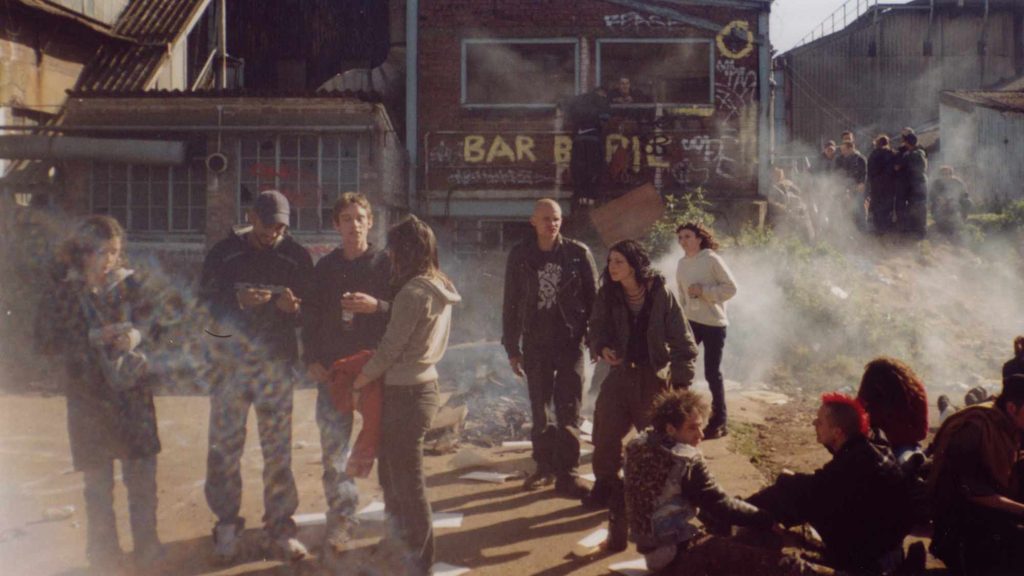
“The definition of insanity is doing the same thing over and over and expecting different results” – a quote often attributed to Albert Einstien, but which was actually popularised by a document from Narcotics Anonymous about how best to break an addiction. Governments have never learned that lesson, they know the drugs policy doesn’t work, but they keep trying anyway in the hope that it will eventually, it’s a lesson they should have learned 100 years ago.
A well intentioned mistake
On January 17, 1920, the USA introduced the prohibition of the socially accepted but very dangerous drug, alcohol. The violence the Volstead Act – a no doubt well intentioned law – produced became legendary, with the illegal trade controlled by the mob, featuring turf wars, gangland shoot-outs, public health issues caused by badly made “moonshine” and very much more. Eventually alcohol prohibition was repealed to great public celebration in December 1933 after 13 years of ever increasing violence.
It wasn’t only the gangland violence and health harms that ended alcohol prohibition, there was also mass disobedience from the general public and the biggest driver of that was the Speakeasy. Speakeasies were illegal drinking dens, but it wasn’t just the presence of the forbidden fruit, it was everything that came with it – the best music and the (extremely) relaxed vibe made them very desirable places. Speakeasies were fun.
Prohibition failed because people refused to obey a law based on forbidding something consenting adults wished to do and as a result, a large section of the population openly defied it and the law became impossible to enforce.
Now of course, the speakeasies were fun, but they were also really dangerous. The product they sold was of dubious origin and sometimes contaminated – badly distilled alcohol can contain methanol – wood alcohol – which is poisonous, causes blindness and all sorts of problems. The venues were dangerous with no proper fire escapes and if anyone overdosed or had any medical problems, they were just taken out into the street and left there. The speakeasies were black market money making outfits dedicated to shifting illegal booze. It was eventually conceded that the cause of all the problems was the Volstead Act, alcohol was legalised and the speakeasies became regular bars and all the problems disappeared overnight..
So the lesson that should have been learned was that gifting the trade of a popular, albeit dangerous, drug to organised crime leads to problems far larger than the drug could ever cause. Of course, we would never make that stupid mistake again, would we?
Nothing like learning from experience
Fast forward to 2026, 53 years after the UK introduced the disaster of the ‘Misuse of Drugs Act‘ (MoDA). The act which sets out to restrict the non-medical use of drugs by means of prohibition, which the act defines as “control”. See the previous blog Britain has a legal definition problem for more on that debacle.
From the 1960’s various youth cultures involving drugs such as cannabis, amphetamines and LSD exploded and continued to do so despite the best efforts of the police and the introduction of the MoDA in 1973. By the 1980’s it was obvious to many that the MoDA had failed and that change was needed, but change did not come.
In 1977 a new family of drugs were included in the MoDA which included MDMA, with the street name of ecstasy. MDMA wasn’t banned because it had caused any problems, but simply because people were using it for pleasure. For the story of the rise of MDMA see Transform’s article MDMA history and lessons learned. Doing this was utterly counter productive because in the late 80’s ecstasy created the rave culture, which had nowhere legal to go.
MDMA became a very popular drug, it’s not addictive and is closely associated with socialising and music. It came online at a time when the country had an established underground drugs supply industry which was ripe for expansion. After hippies and punks, a new youth culture exploded with ravers and with it came a new version of the speakeasy – commercial illegal raves such as those around the “magic roundabout” – the M25. At the same time a different sort of rave appeared, the underground free party.
Repetitive beats
The government panicked and introduce repressive laws designed to stamp it all out which tried to target the events, not least The ‘Criminal Justice and Public Order Act’ of 1994, which criminalised people gathering to listen to music that “includes sounds wholly or predominantly characterised by the emission of a succession of repetitive beats“. You couldn’t make that up. Strangely, it didn’t work and here we are 40 years on from the birth of raving and the underground party scene is still very much with us. The point is of course, a law that was supposed to be aimed at “fighting drugs” was becoming a law that was fighting culture.
The original ravers are just about the grandparents of todays youngest party people, it’s not really a youth culture any more.
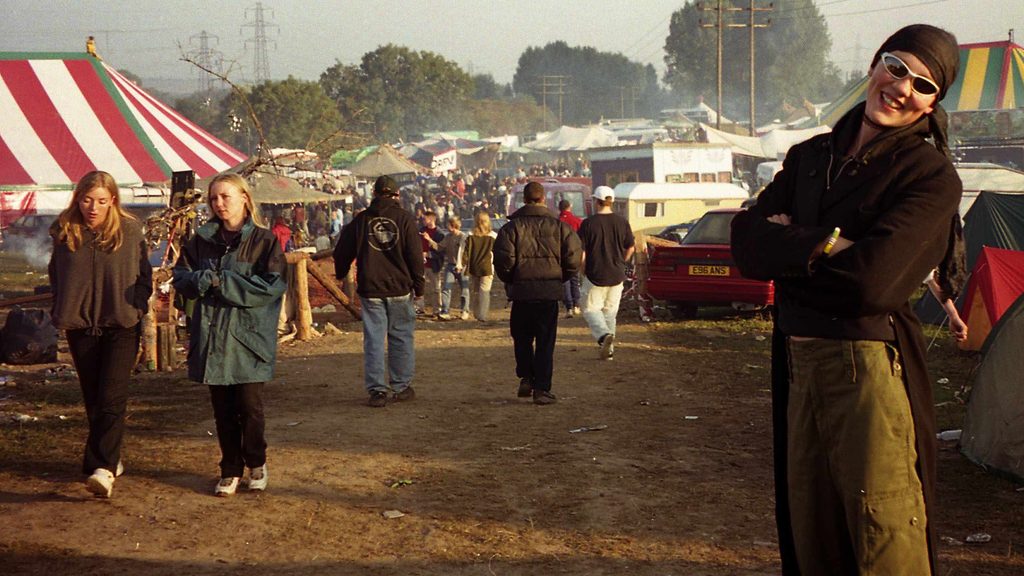
About 10 years ago in the original version of this site I wrote a background article in the “alternative” section “What is a freeparty?” to explain what drives the whole thing. Much as the police and governments might like to claim it, free parties are not money making events for shifting large amounts of drugs like the speak speakeasies were., although of course the drugs do feature.
Now let’s not be too starry eyed about this, no doubt there are still commercial outfits organisation money making events, especially in big cities like London, which probably are similar to the speakeasies. But they are very much the exception.
Culture
Free parties are a genuine expression of a shared culture run by and for enthusiasts. They are run by collectives who build the sound systems, organise the events and even make the music in some cases, they are promoted by word of mouth to people eager to share the experience. They are emphatically not commercial profit making events and in a sane world would be something to be encouraged.
Sadly the hole governments of all flavours have dug for themselves is the same as the speakeasies exploited – valuable police time, effort and resources are wasted by stopping people gathering in order to listen to music and dance.
Over the past 40 years the scene has grown deep roots and at the same time the tech to hold a party has become cheaper and smaller. The most valuable part of the kit used to be a large heavy box of irreplaceable records, but this has been superseded by a pen drive of digital copies. Throwing a party can now be done by a handful of enthusiasts and news of events is spread by word of mouth, the best form of advertising. Raving is not going anywhere as reported recently in The Standard: Inside London’s illegal rave renaissance.
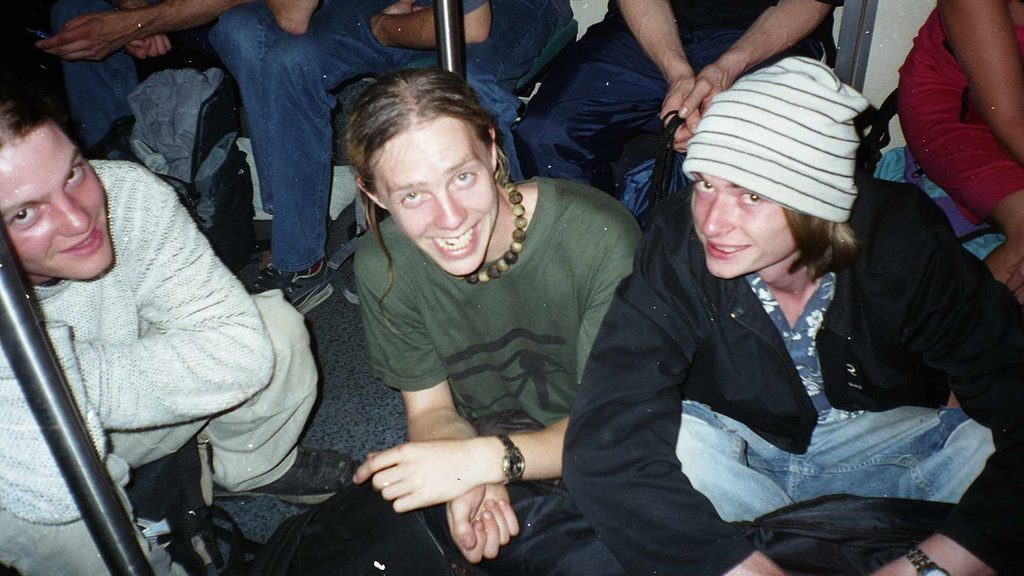
Free parties have a well-deserved reputation of being events that simply don’t attract or generate violence, far from it, there is rarely any trouble caused by the people attending them. But they do come with some problems in that they are often held in out of the way places which would be difficult to get emergency services to and, of course they make a lot of noise. In urban areas they take over unused buildings such as warehouses and empty office blocks which adds other dangers such as lack of fire exists. But this is what happens when the law actually tries to prevent people gathering and having fun. We really should have learned that lesson 100 years ago.
So here we are, there were quite a few reports in the press of police raids on raves in the summer of 2026, with the police wasting huge amounts of money and resources. Not least was a violent riot police attack on the well established “Egg Tek” in the west country at Easter (‘The party was chilled until police sent in the riot squad’: when a Dorset free rave turned violent – Guardian).
Something is very wrong and we know what it is. The police attacking free parties are going for the low hanging fruit, the easy targets to bust which they know won’t fight back. Press releases give the impression they’re doing something, but of course all they do is to alienate the very people the drugs laws were supposed to protect. This is what prohibition does and has always done, it only serves to increase harms, alienate people from the police while utterly failing to do the one thing it claims to exist for – controlling the non-medical use of drugs.
The problem is MoDA – the Misuse of Drugs Act, the law that imposed the prohibition regime on a large swathe of British culture who didn’t want it. Non-compliance and conflict was inevitable.
The so-called “war on drugs” is no such thing, it’s a war on people and culture.